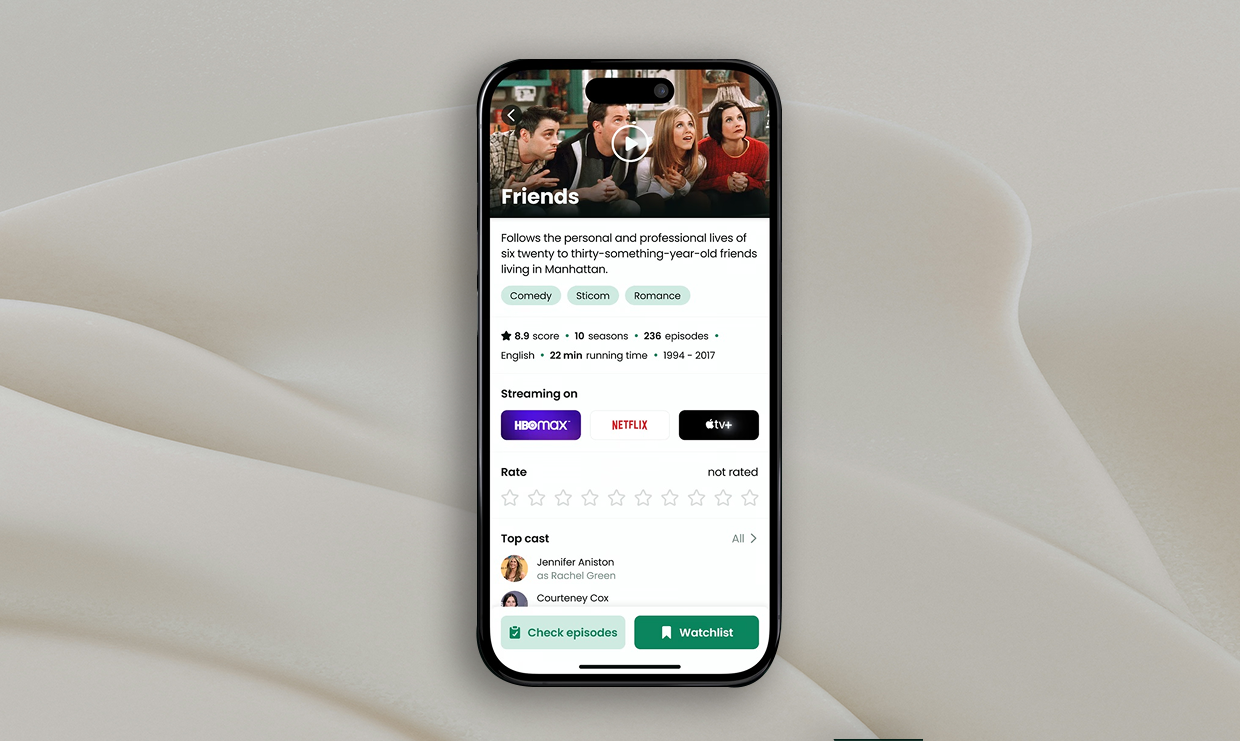
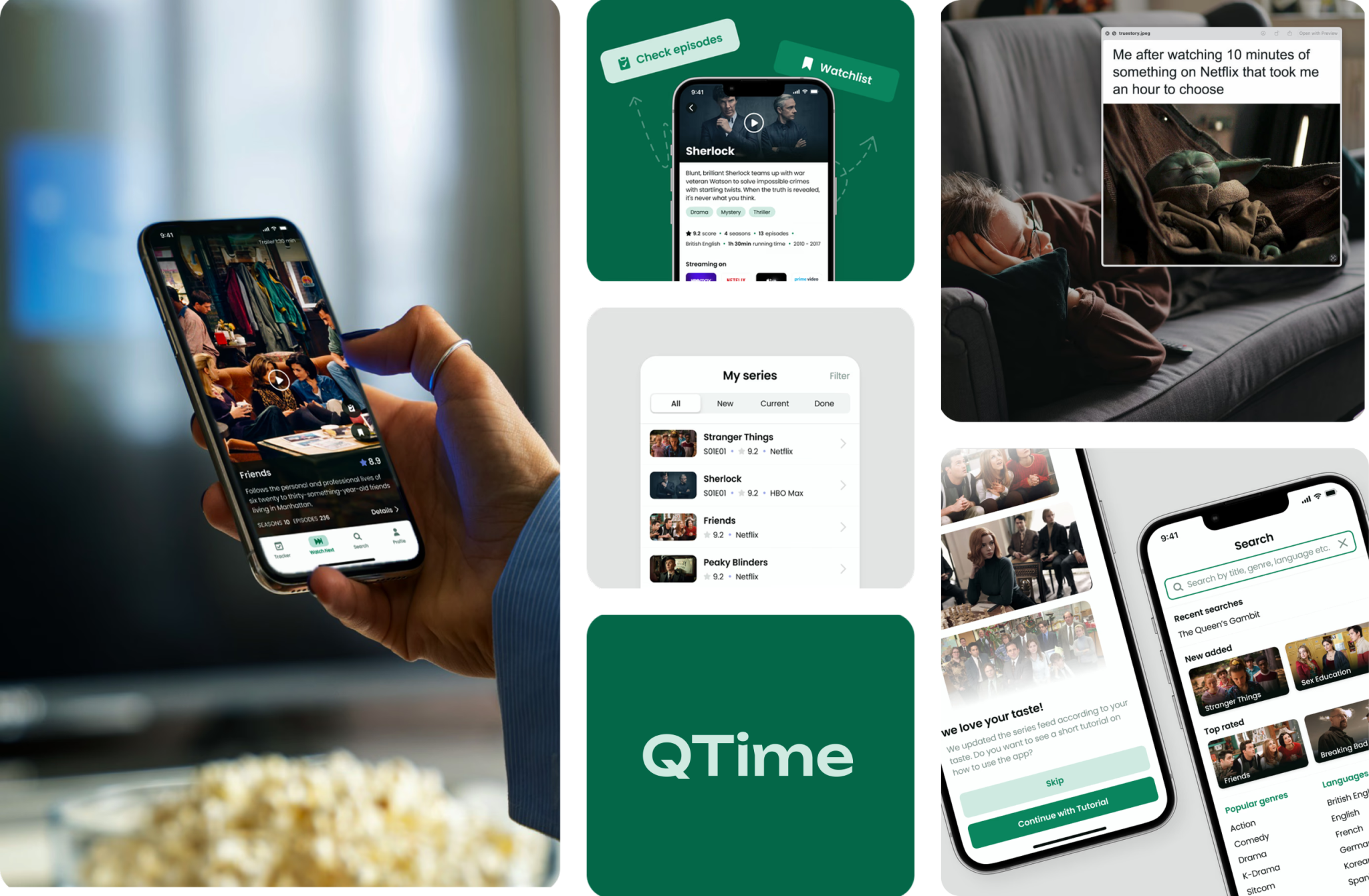
Imagine never wasting time scrolling through endless lists again. Learns what you love, serves up spot-on recommendations, and keeps track of every episode you’ve watched, so you can spend less time searching and more time watching.
The origin story...
With over 817,000 TV shows spread across 200+ streaming platforms, finding your next binge can feel like searching for a needle in a haystack. No wonder nearly half of viewers say discovering something they actually want to watch is a struggle.
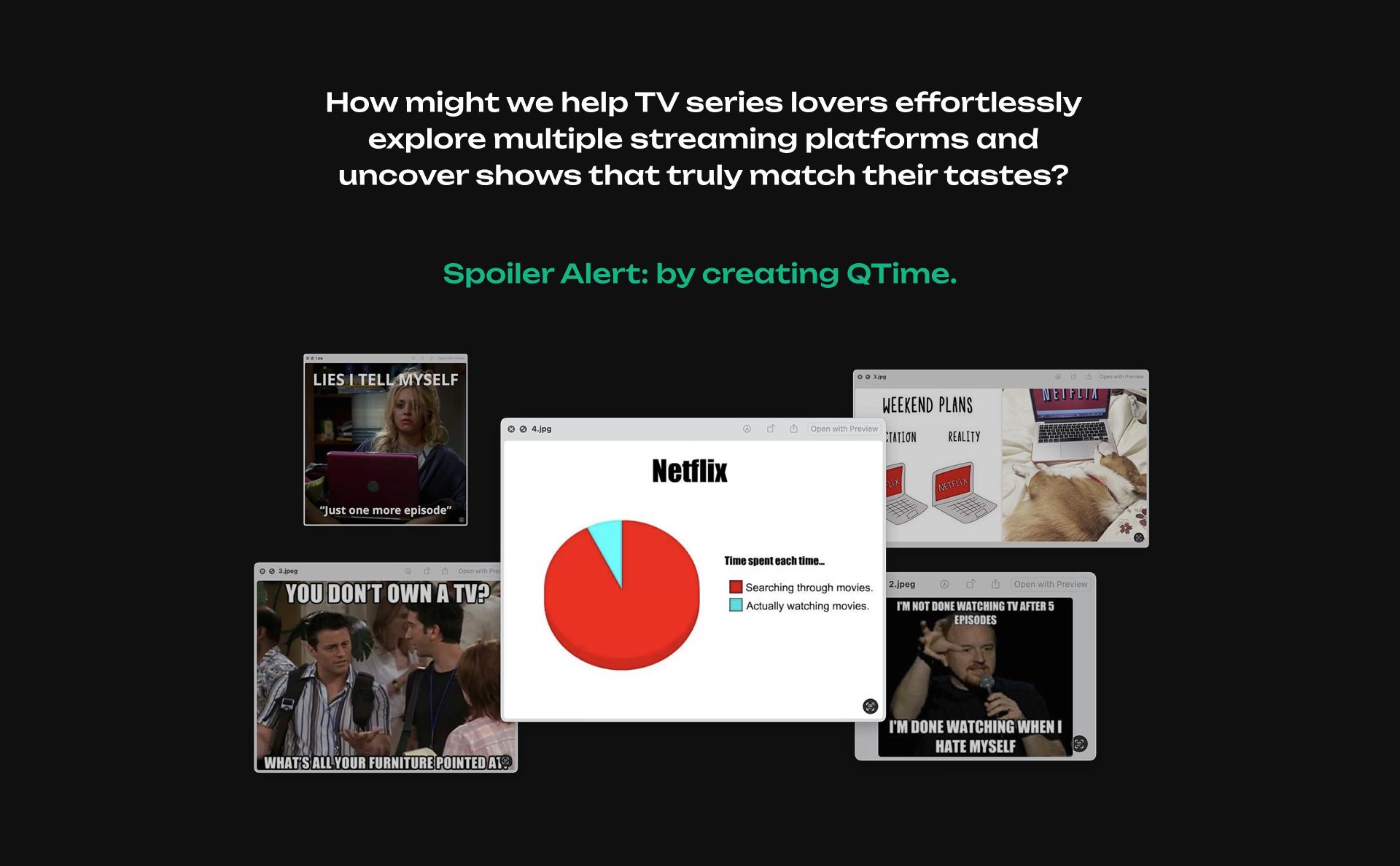
The Big Question 🤔
Choosing what to watch shouldn’t feel like homework, yet so many people get stuck scrolling endlessly, overwhelmed by options, and end up watching whatever’s pushed their way… or nothing at all.
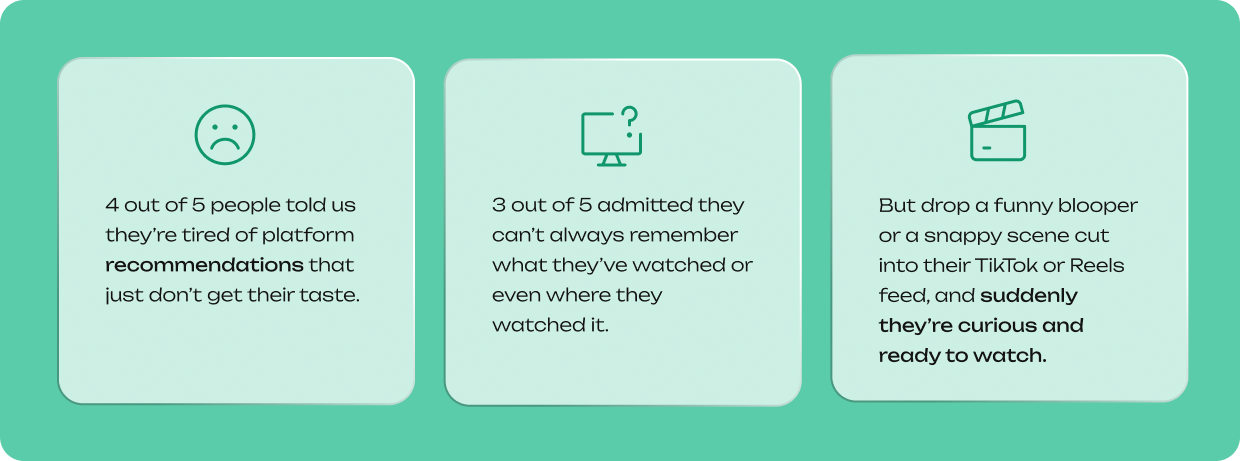
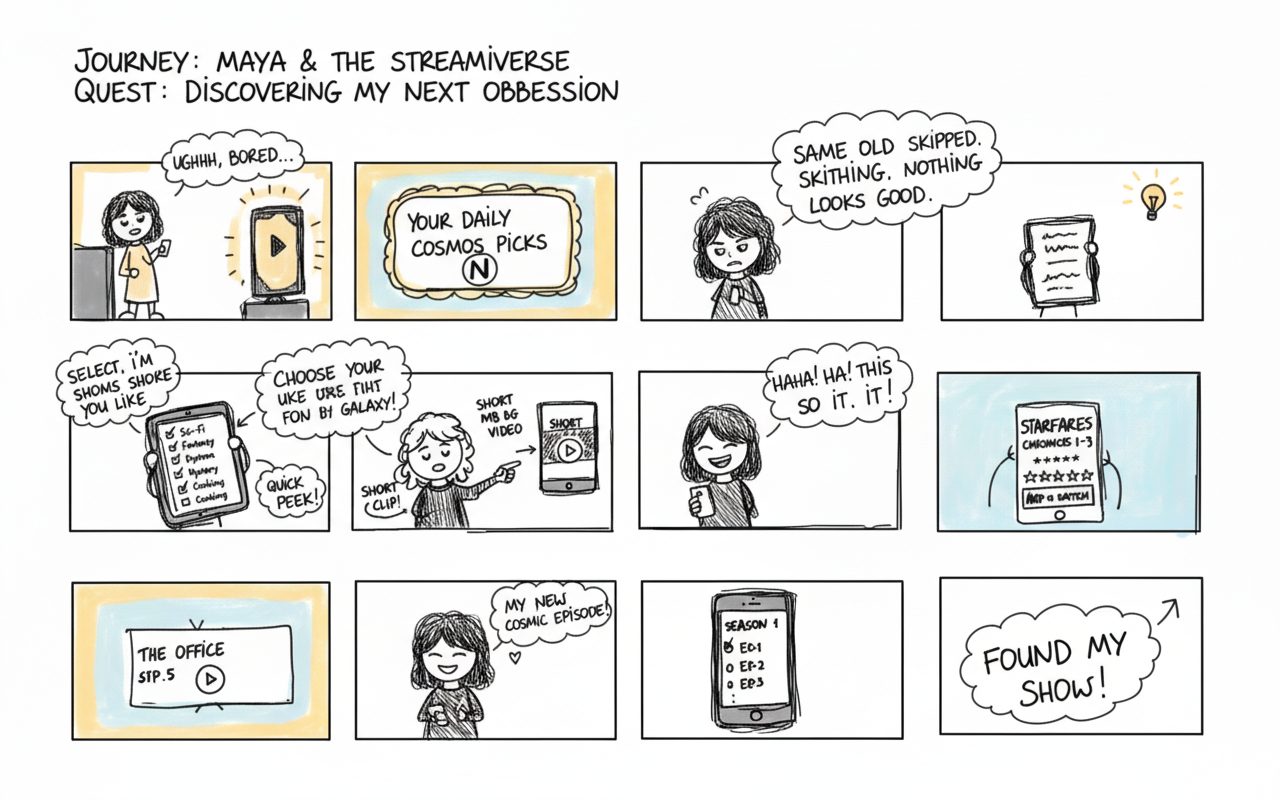
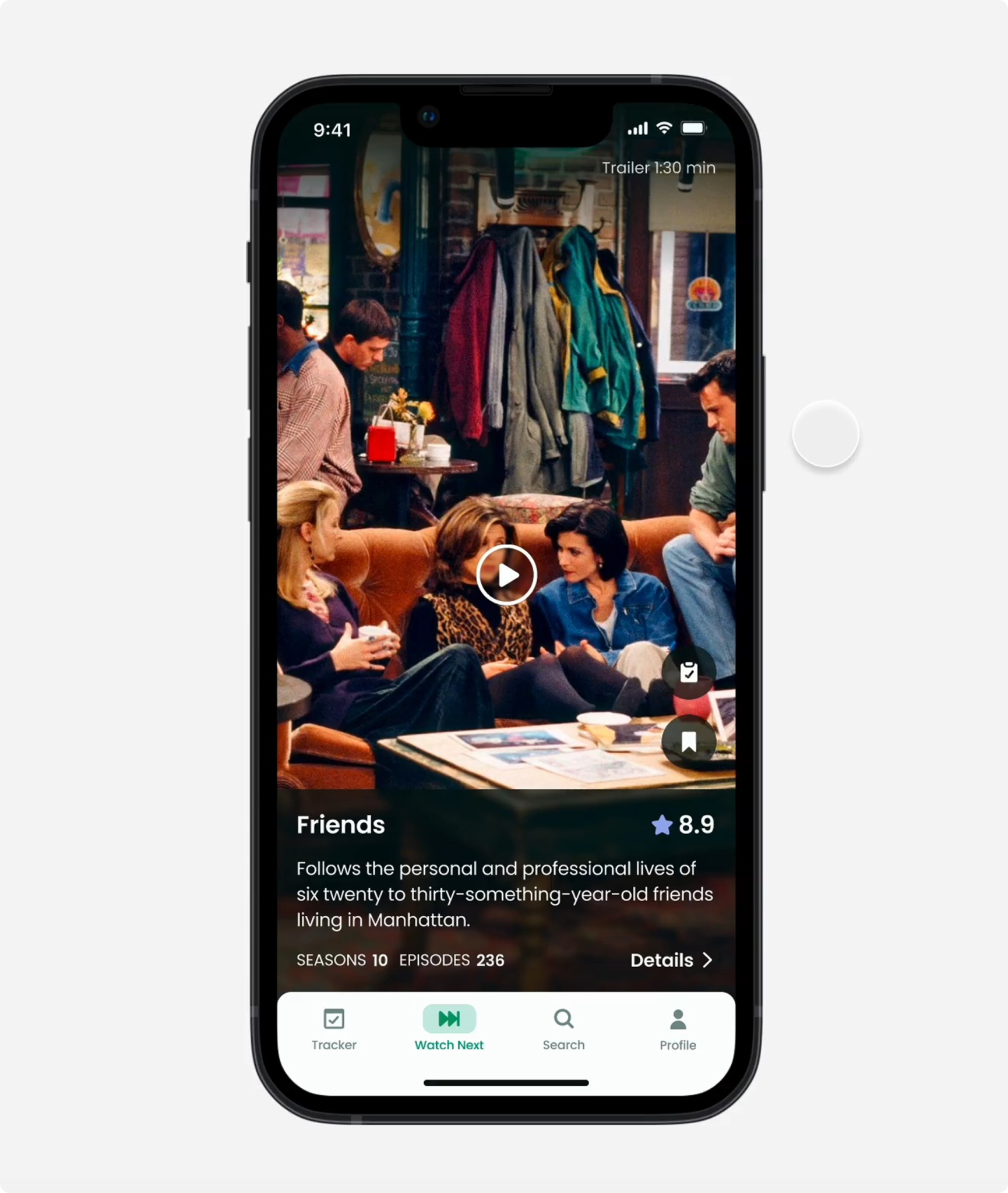
Everything changed when we realized people often find their next TV series while scrolling through Reels or TikTok.
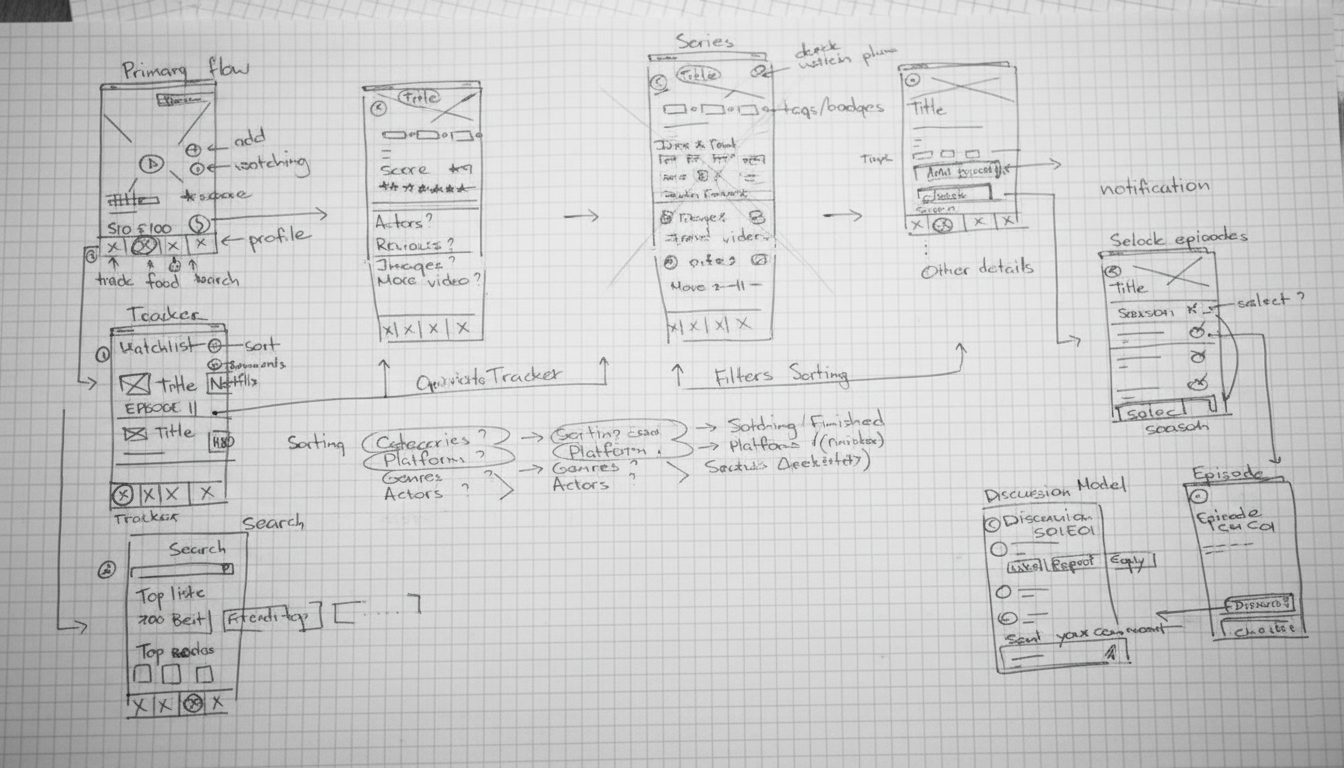
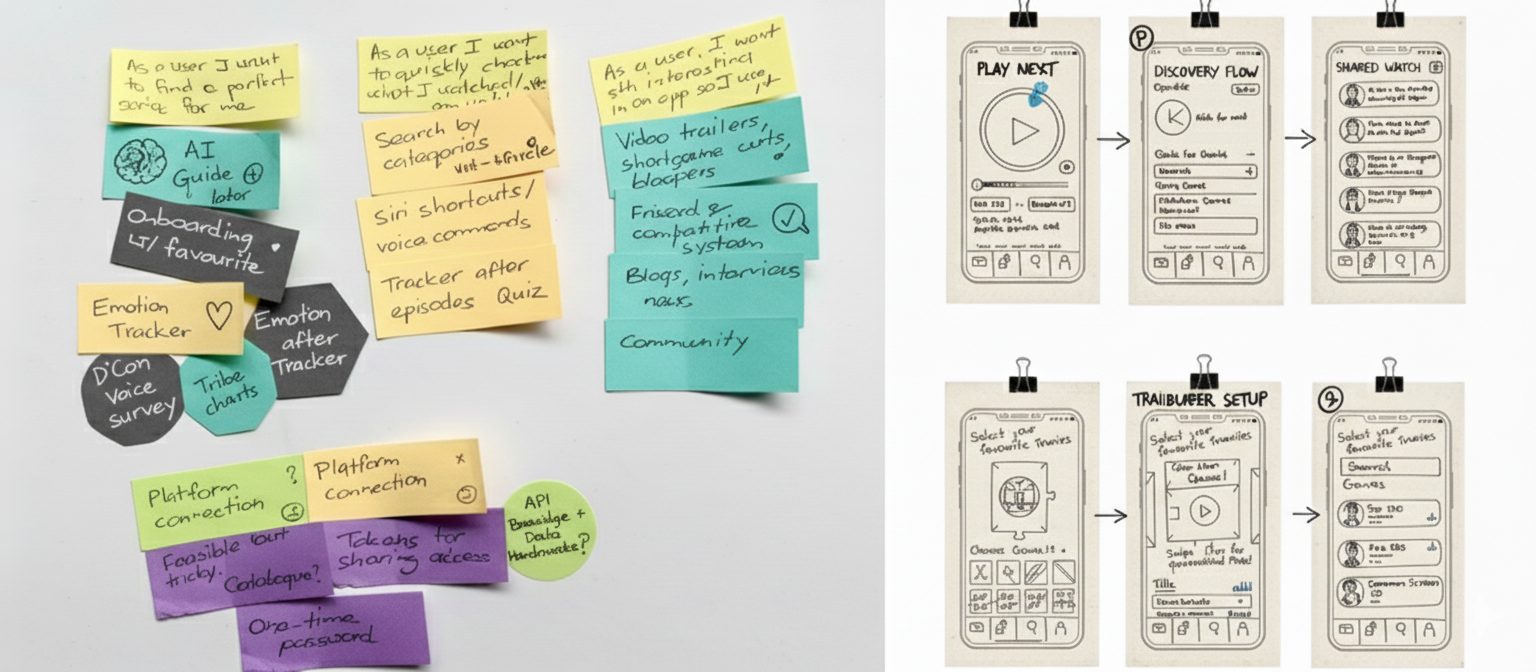
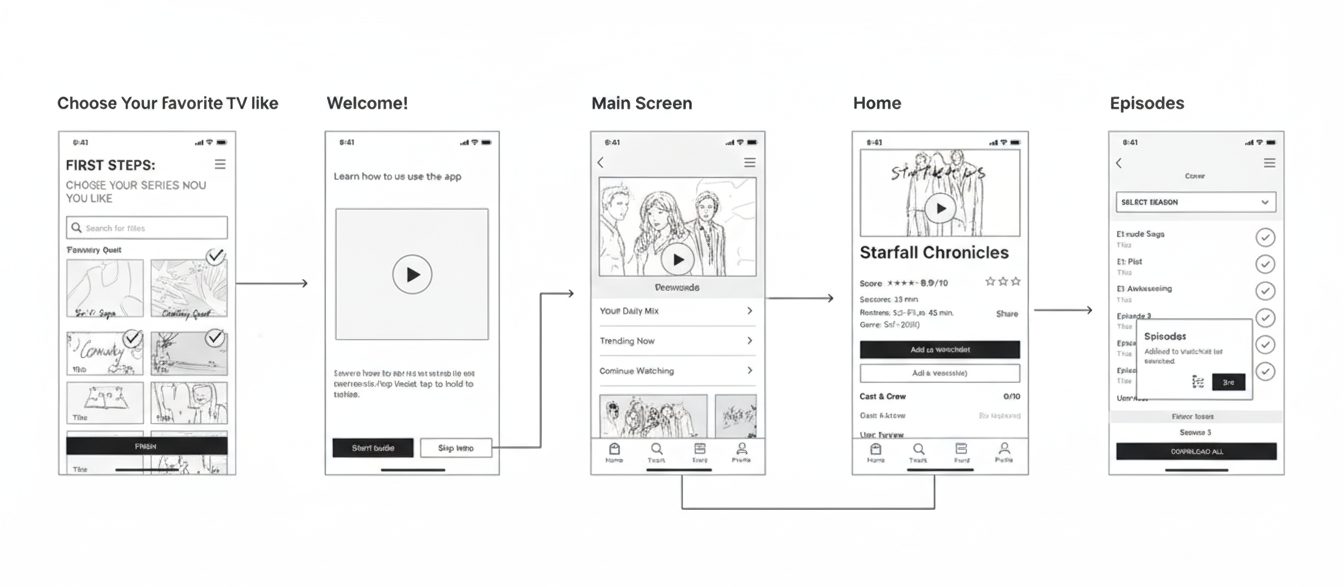
Using visuals helped me truly grasp what users want and made it easy to share those ideas with the team. It turned complicated things into clear, shared understanding.
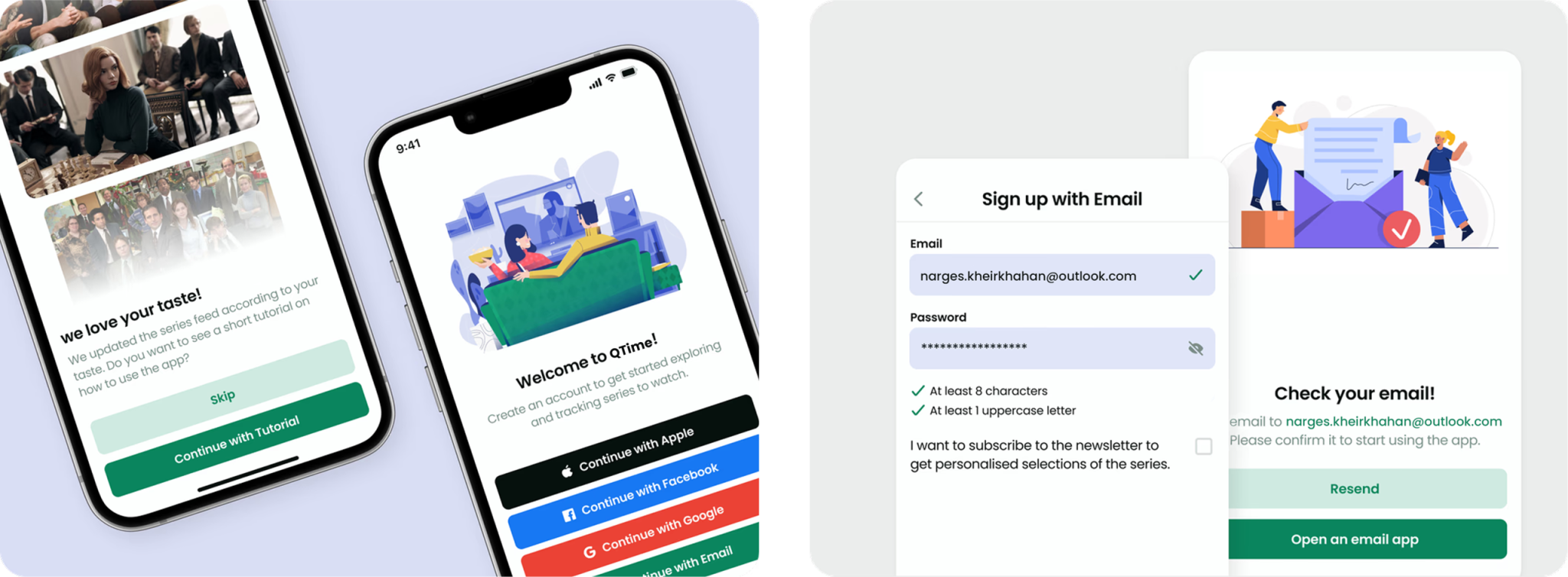
We chose to focus on features that would make the biggest difference right away. That meant launching with a video feed and easy onboarding first, and saving the more complex platform connections for later.
Because it was an iOS app, we followed Apple’s design rules closely. This made the app feel natural and easy to use from the start and helped us build it faster.
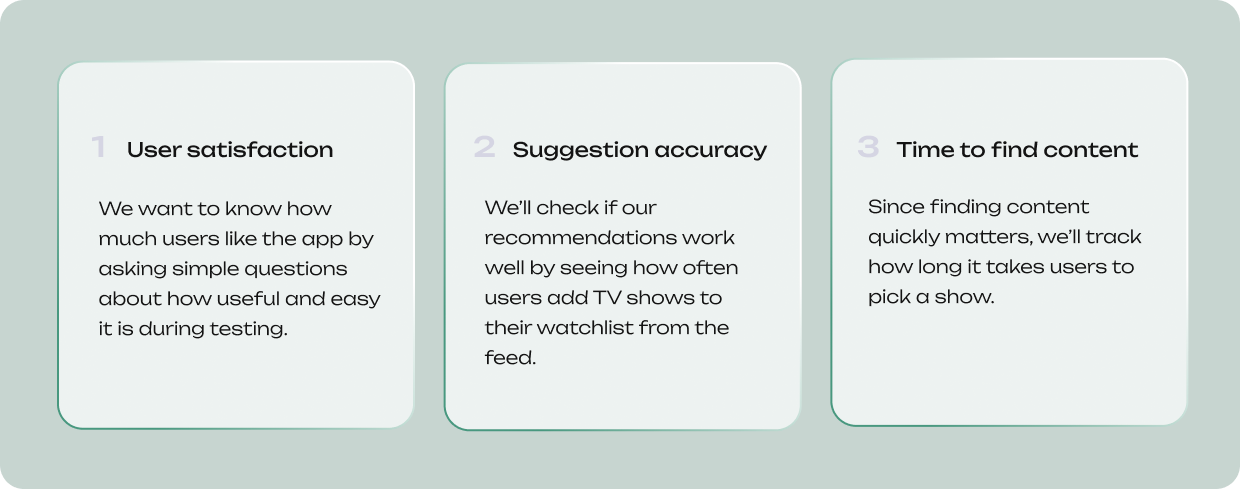
At first, we wanted to know if people would actually like using the app. So, we looked closely at how interested users were during testing.
Next, we’re focusing on making sure the app works smoothly and reliably once it’s out in the world.
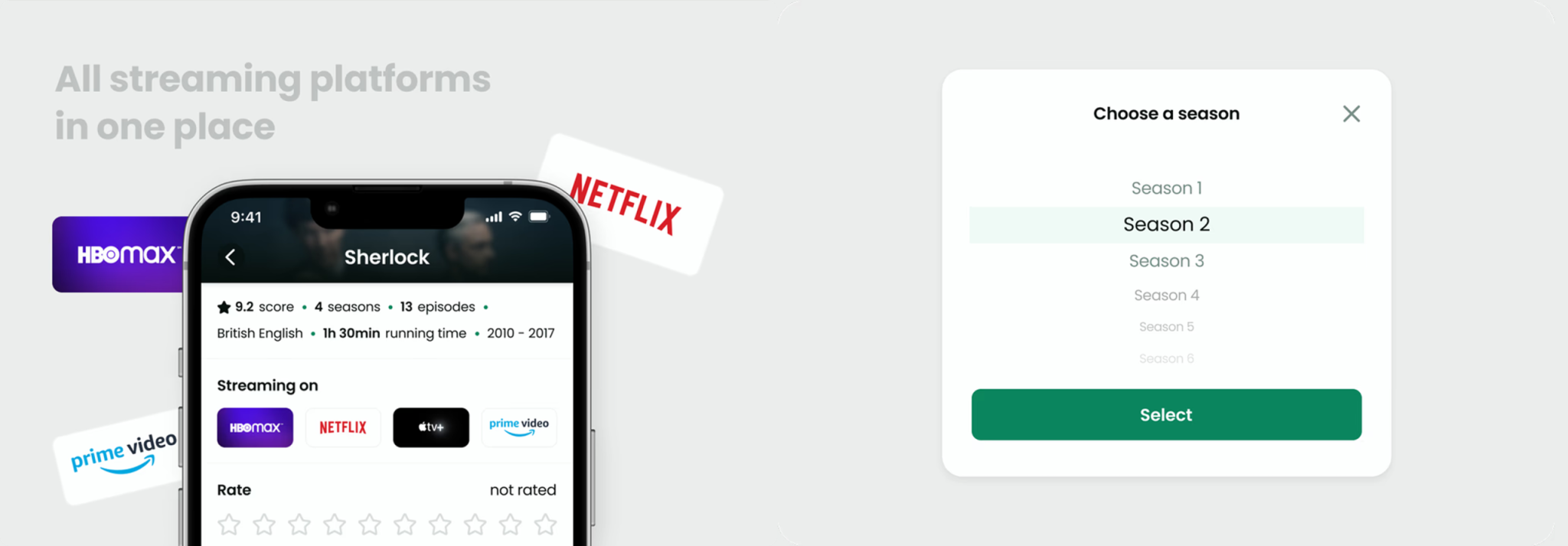
Viewers struggle to explore TV series easily because they have to switch between multiple streaming apps.
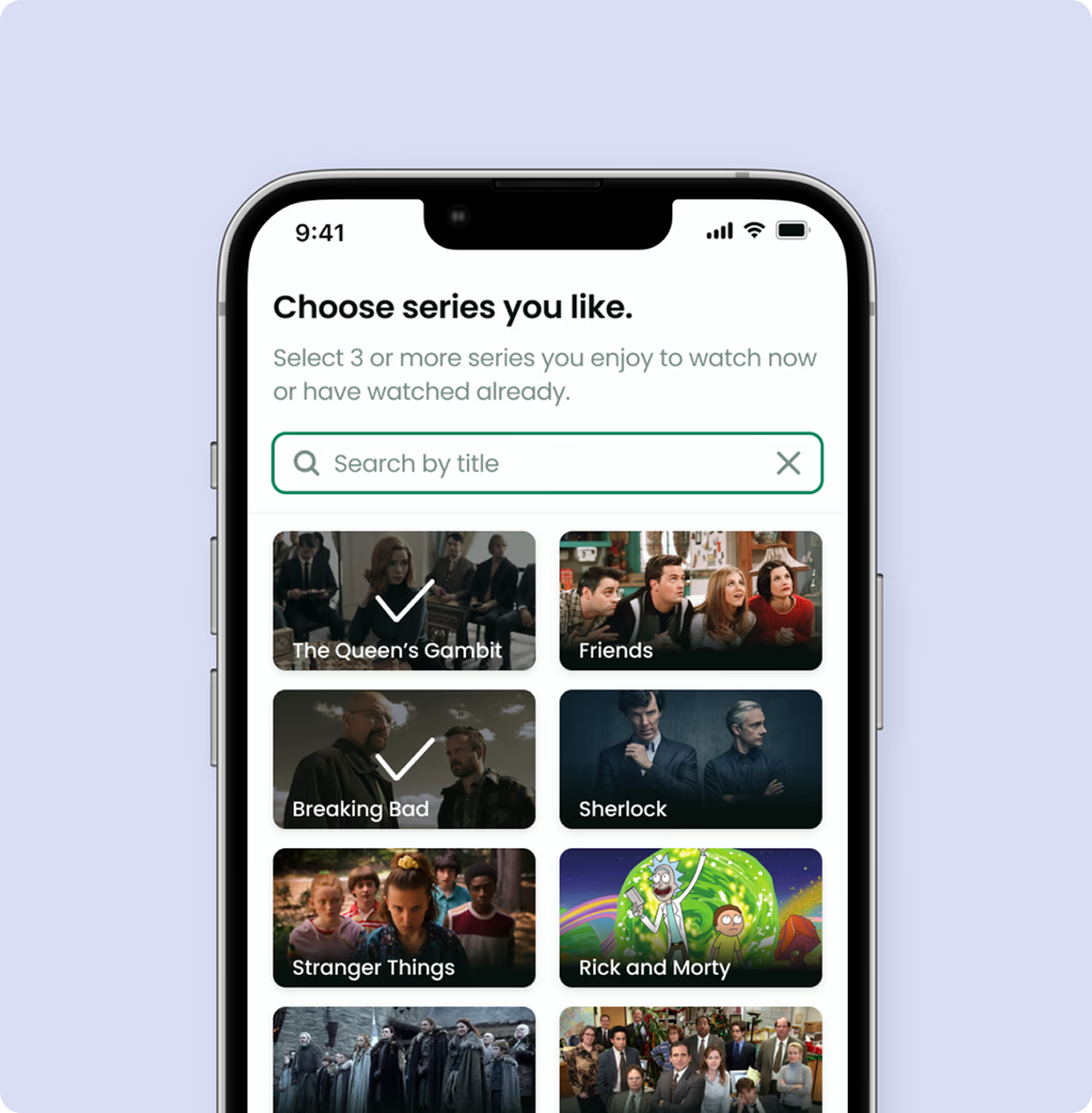
So, creating a personalized feed lets them discover shows all in one place.
“I want to find a perfect TV series for me”
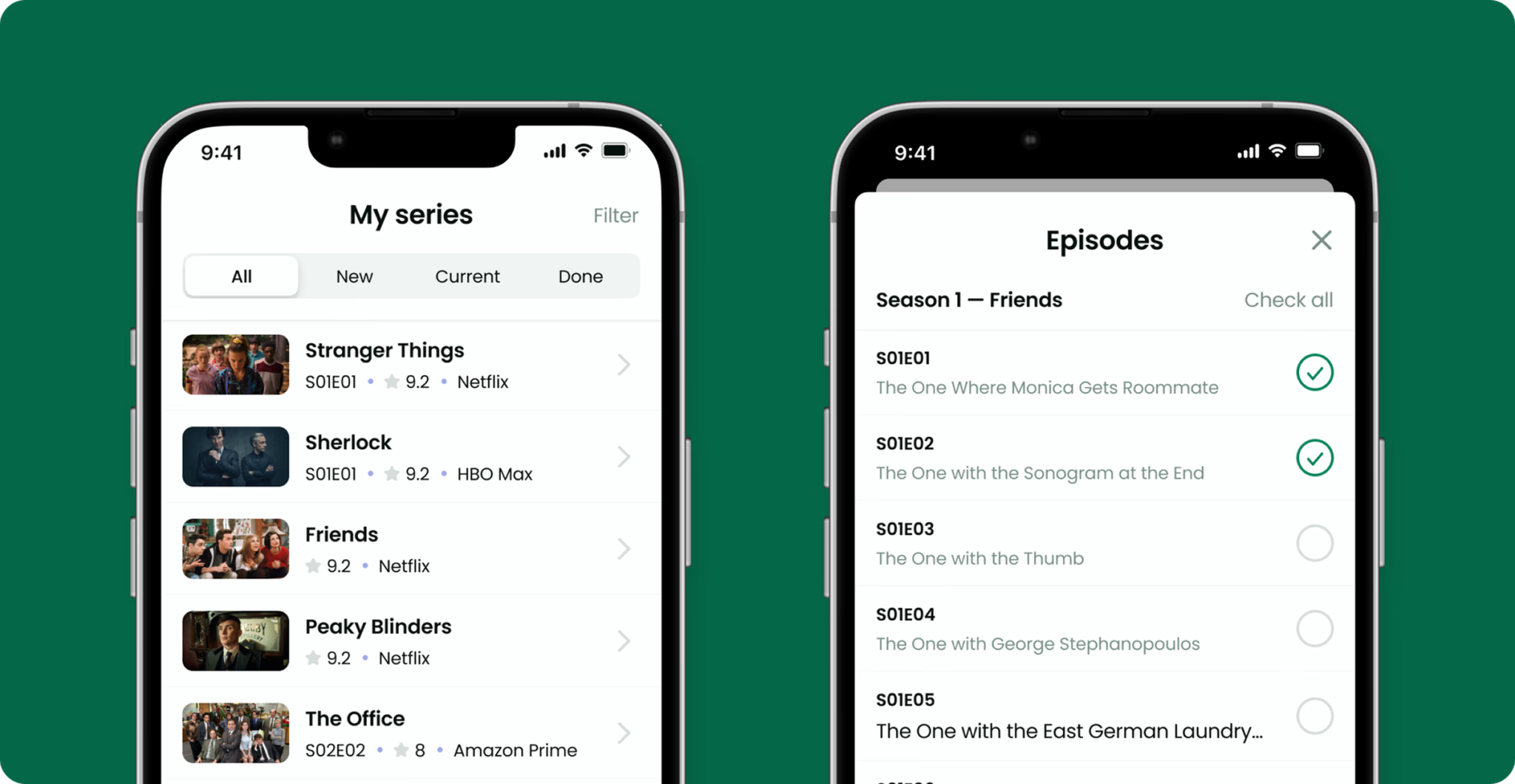
“I want to quickly check what I watched”
“I want to be actively engaged in the app”
Next time, I’d bring users in earlier to test functionality, so we can quickly spot what works and avoid spending time on complex prototypes that miss the mark.
I’d also set a clear roadmap from the start to keep the team on track and make progress easy to follow.
Working closely with the dev team in workshops helped us grasp technical limits early and brought fresh viewpoints to prioritizing solutions.
Starting with a design system or component library saves time later and keeps the app consistent and accessible.